Holidays & Occasions
Hanukkah and Visiting a Grave: The Dates, the Custom of Waiting, and What to Do Instead
Hanukkah 2026 runs from sundown December 4 to nightfall December 12. Why many families do not visit the cemetery during the holiday, which days are customary for a visit, and ways to remember someone during the eight nights.
Hanukkah in 2026 begins at sundown on Friday, December 4, and ends at nightfall on Saturday, December 12, the 25th of Kislev through the 2nd of Tevet, 5787. For a family missing someone, the question comes up every year: is it right to visit the grave during the holiday?
Why many families wait
Hanukkah is a festival of joy, and Jewish tradition keeps mourning and joy apart. Chabad's guide to grave visitation, drawn from Rabbi Maurice Lamm, lists Hanukkah among the days on which visiting is disputed, alongside Rosh Chodesh, Lag B'Omer and other days when the Tachanun prayer is not said, and advises that these days "should be avoided for visitation and unveiling if at all possible." Shabbat, the festivals, the intermediate days of Passover and Sukkot, and Purim are avoided outright.
The tradition does allow for life. If relatives are in town only for the holiday, or someone must travel, a visit for a real reason is permitted. In that case Psalms and Kaddish may be said, but the memorial prayer (El Maleh Rachamim) is not recited. Customs differ from community to community, so a family's own rabbi is the right person to ask.
When a visit is customary
The favored times for visiting a Jewish grave are the end of shiva, the end of shloshim (thirty days), the yahrzeit, fast days, the weeks before Rosh Hashanah and Yom Kippur, and the day before Rosh Chodesh. Many families who want to visit around Hanukkah simply go in the days just before December 4 or after December 12. Our guide to Jewish grave customs covers the stone left on the headstone, the unveiling and the yahrzeit.
Remembering during the eight nights
- Light for them. Many families dedicate one night's candle lighting to the person who is gone, or use a menorah that was theirs.
- Give tzedakah in their name. Charity in memory of the dead is one of the oldest Jewish ways of honoring them.
- Cook their recipe. The latkes or sufganiyot a grandmother made are a form of remembrance everyone at the table understands.
- Tell the story. Children who never met a great-grandparent learn them through the stories told while the candles burn.
Flowers, stones and the cemetery's rules
Jewish custom favors a small stone on the headstone over flowers, and many Jewish cemeteries restrict or do not permit flowers at all. Others allow them, especially in sections that serve interfaith families. If you want something placed at the grave, check the cemetery's rules first, and plan it for before the holiday begins or after it ends.
Where the cemetery permits flowers, BloomBridge can place a silk arrangement at the grave before December 4 or after December 12 and send you a photo of it at the headstone. The Blue Arrangement is a quiet fit for the season. Order at least 15 business days ahead.
Winter can be the hardest season for a grief that is still new. Our guide to the first year after a death walks through the dates that matter.
Placed at the grave by a local Runner
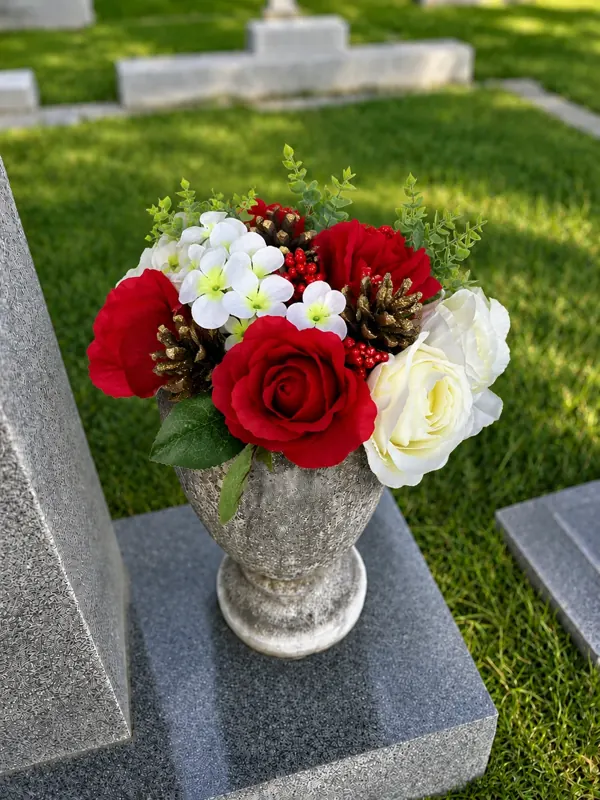 Holiday Arrangement
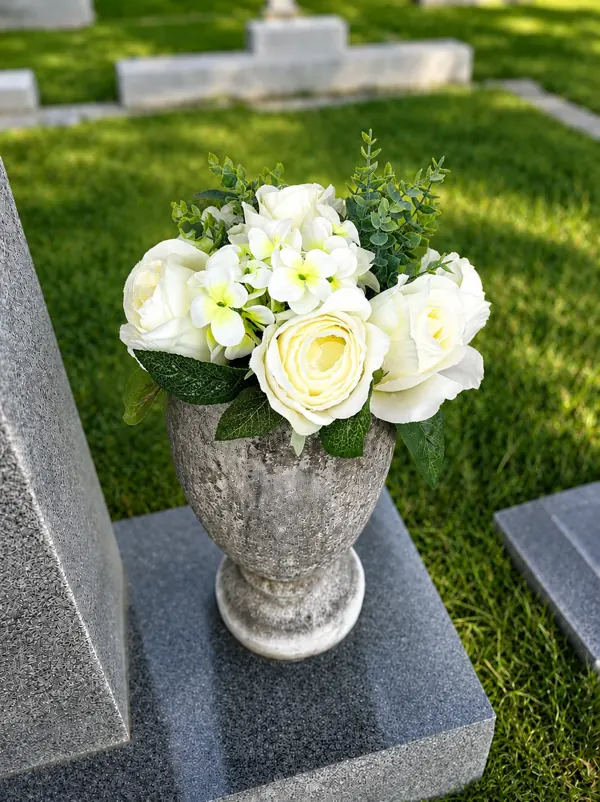 White Roses & Hydrangeas
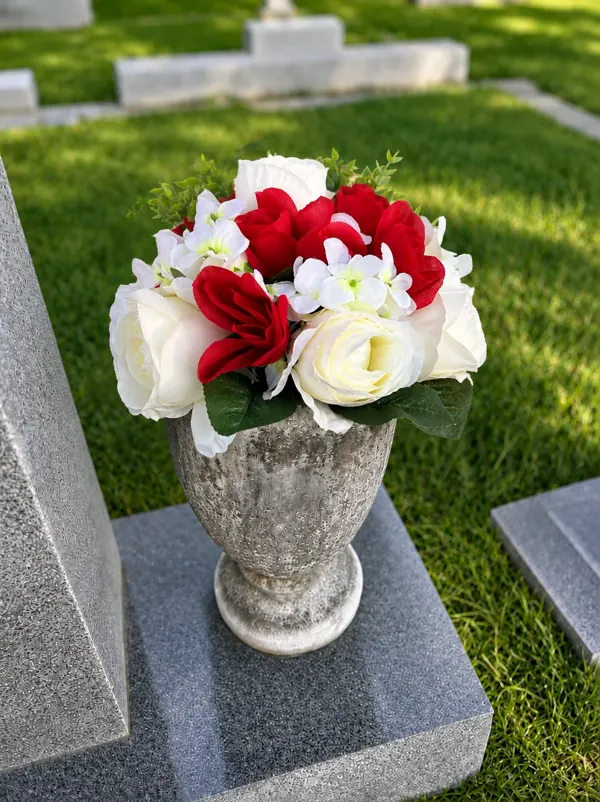 Red & White Roses
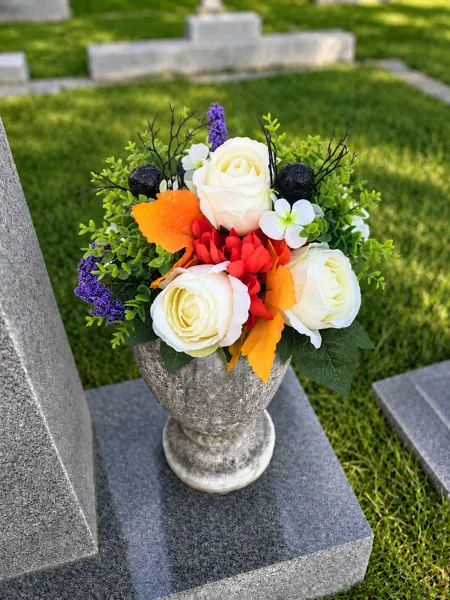 Halloween Arrangement
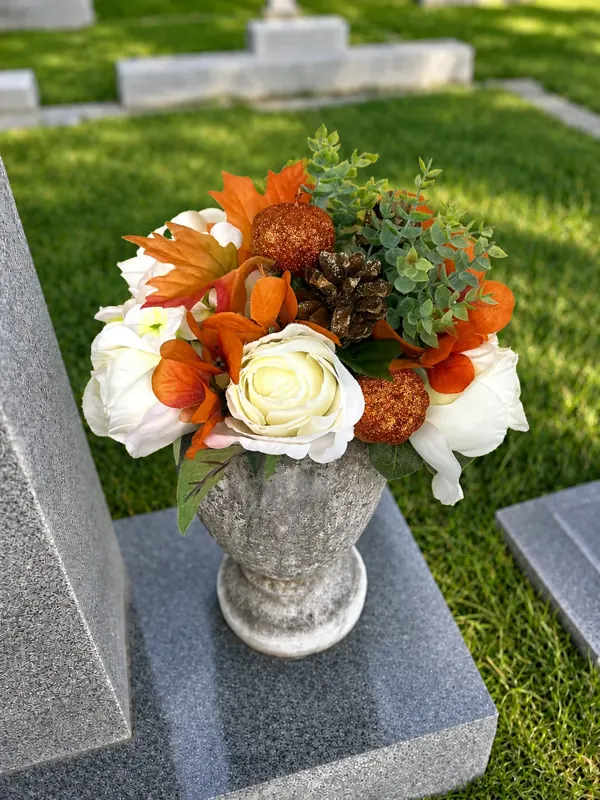 Fall Arrangement
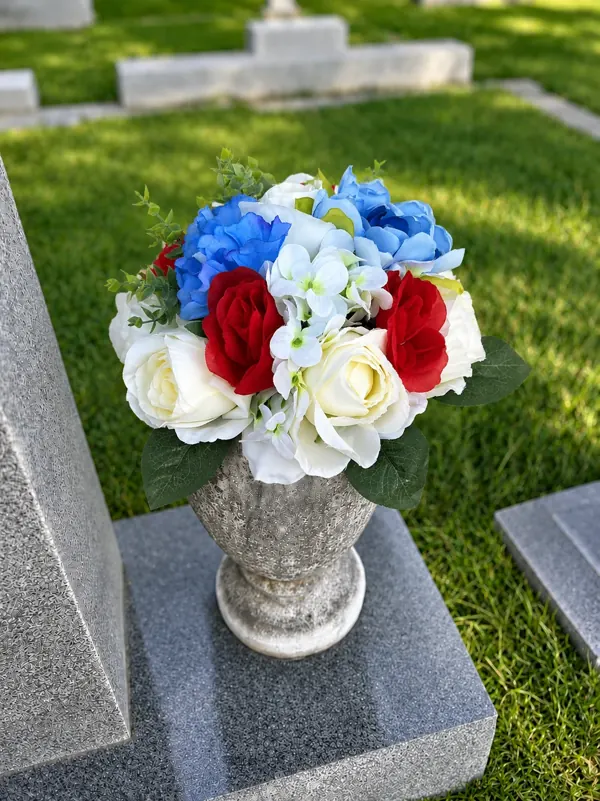 Red, White & Blue
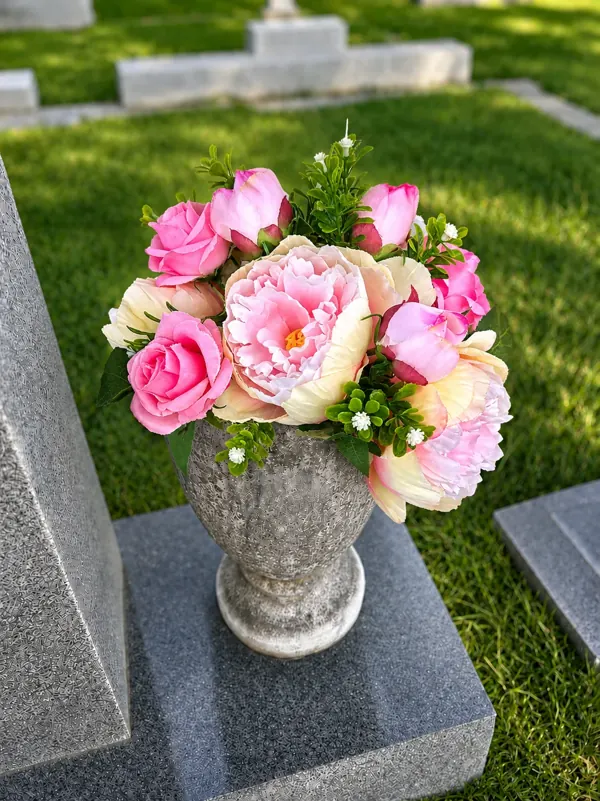 Pink Roses & Peonies
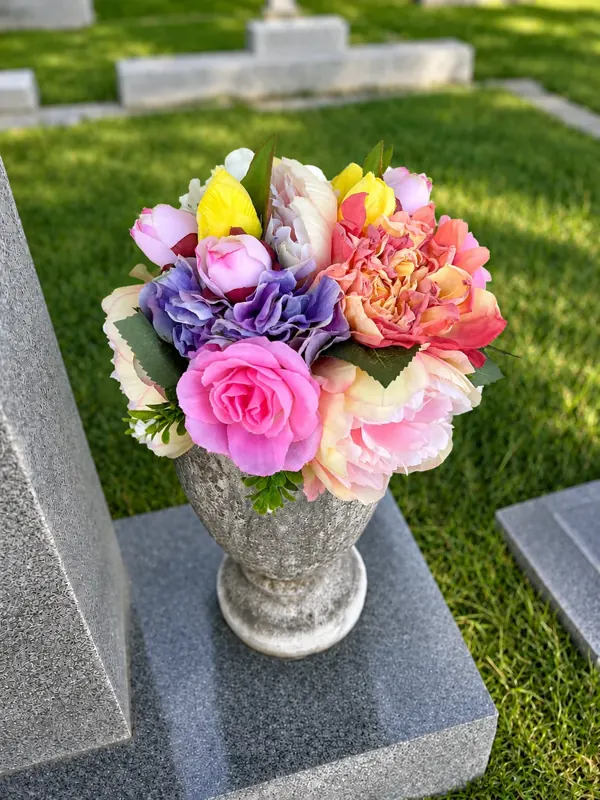 Pastel Multicolor
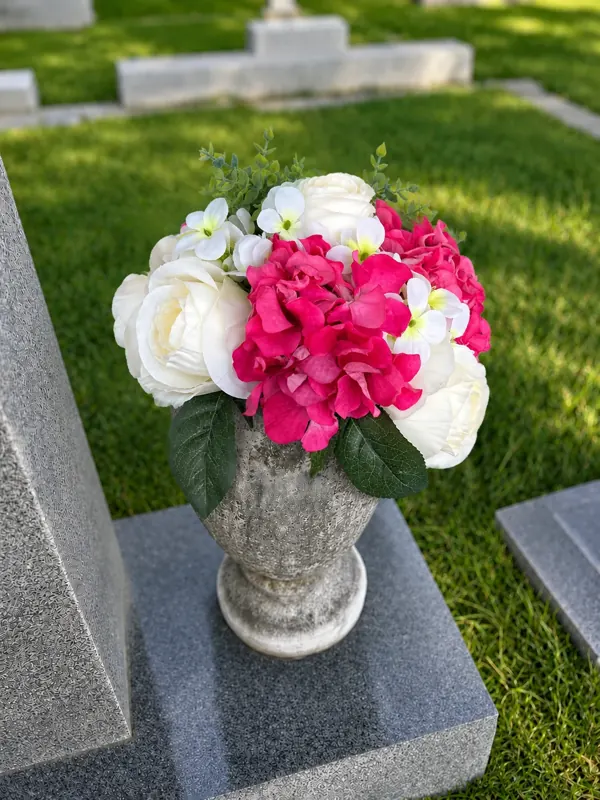 Hot Pink & White Roses
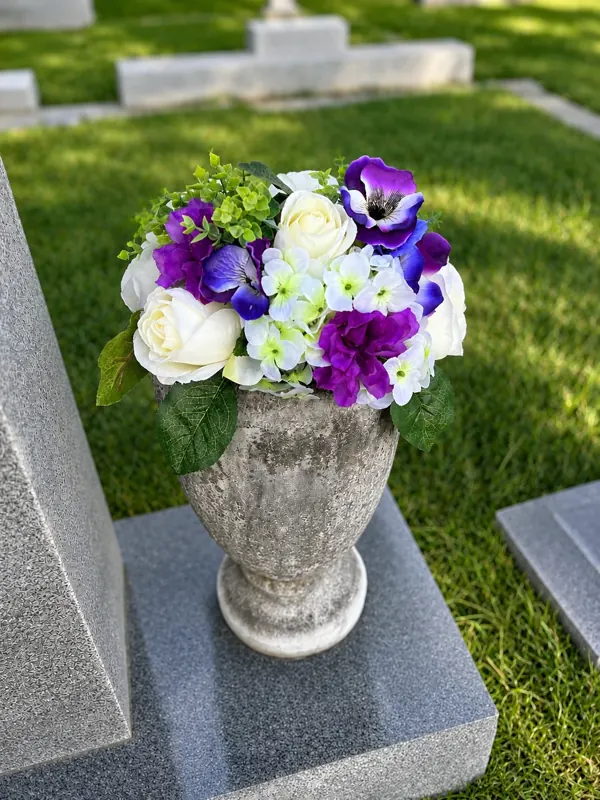 Purple Arrangement
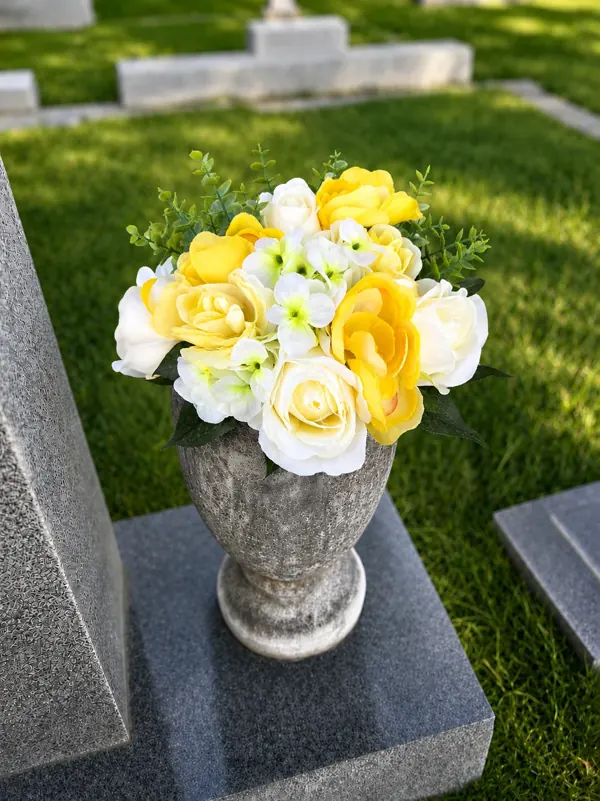 Yellow Arrangement
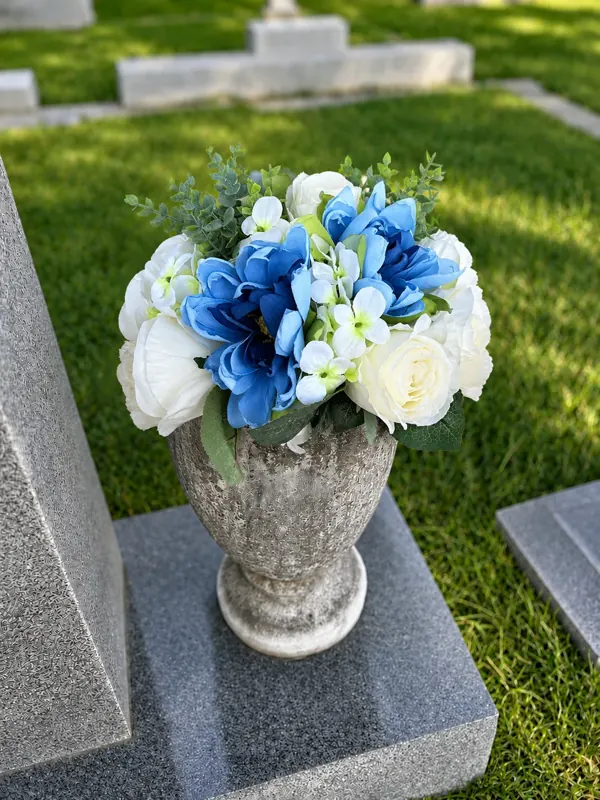 Blue Arrangement
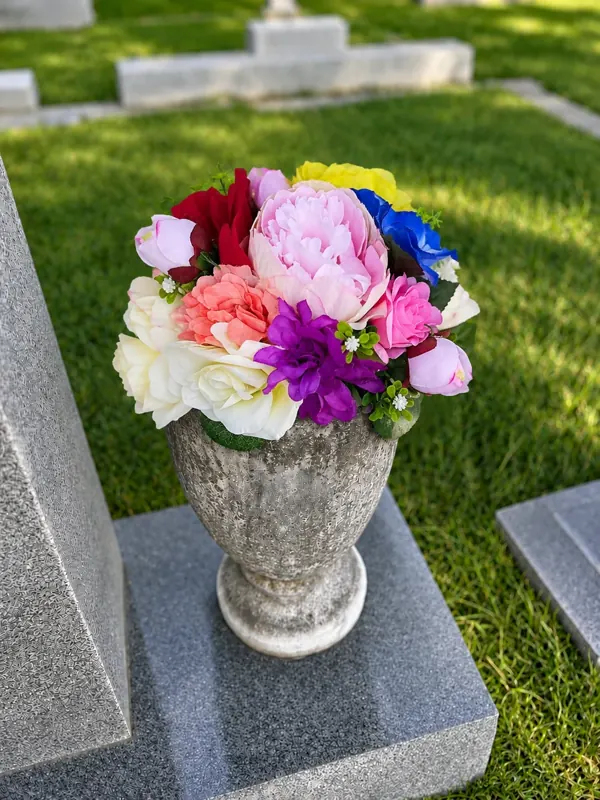 Birthday Arrangement
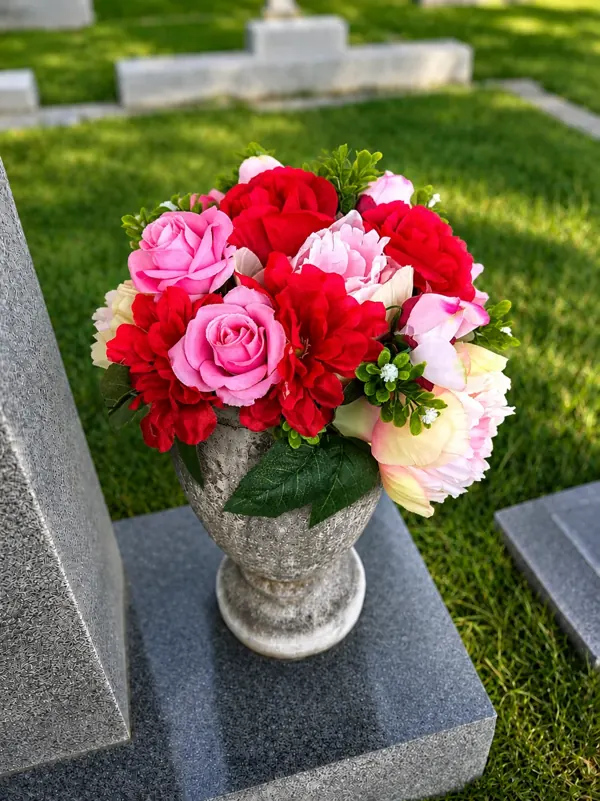 Always My Valentine
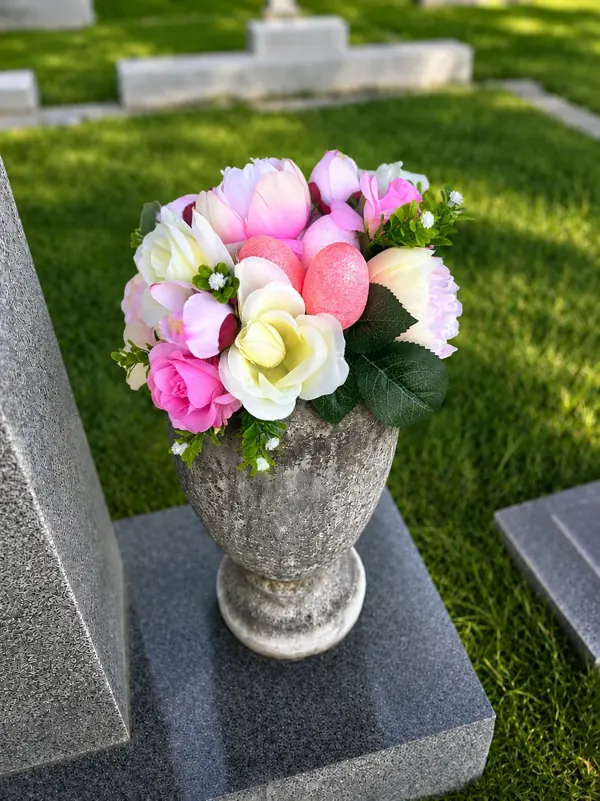 Easter Arrangement
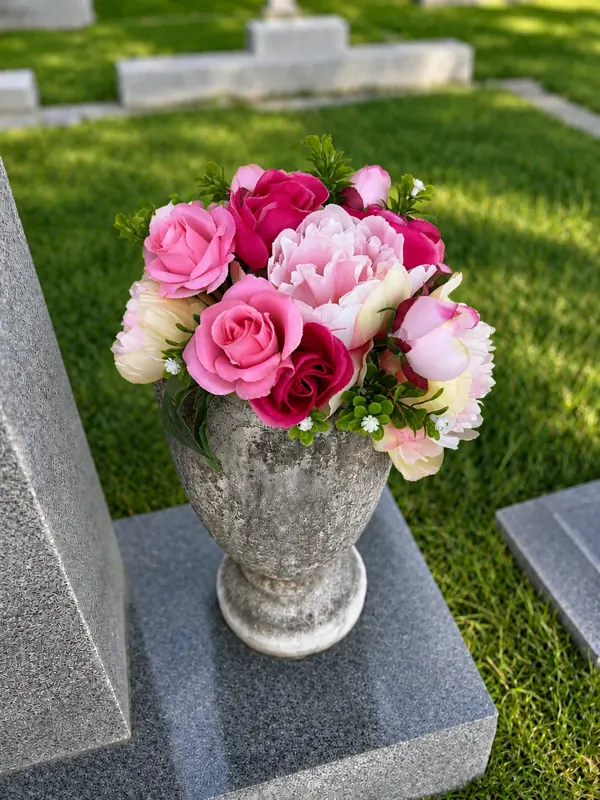 Breast Cancer Awareness
Grave flower delivery to any cemetery in all 50 states · find yours by state
Flowers at the grave, wherever it is
A local BloomBridge Runner places a hand-crafted arrangement at any cemetery in all 50 states and sends you a photo of it in place.
Send FlowersFrequently asked questions
Hanukkah 2026 begins at sundown on Friday, December 4, and ends at nightfall on Saturday, December 12. The first candle is lit the evening of December 4.
Tradition discourages it, because Hanukkah is a festival of joy and mourning is set aside. A visit for a real reason is permitted, with Psalms and Kaddish but not the memorial prayer. Most families visit just before or after the holiday, and customs vary, so ask your rabbi.
Usually not. The custom is a small stone on the headstone, and many Jewish cemeteries restrict flowers. Where a cemetery allows them, check its rules and avoid the holiday itself.